if you study literature there are seemingly hundreds and thousands of dramas, novels, short stories and poems that you're supposed to read. some of them are breathtakingly grand, some are unbelievably boring (or just a bit meh), some you love and some you can't stand. there are also those you don't even bother reading and you just hope your professor does not notice... the thing is, sometimes i get incredibly annoyed with a book by the mere fact that i am not reading it by choice but am forced to do so and it makes its way to some bookshelf (only some 10 pages of it read) to collect dust. the scarlet letter is one of those books that i probably should have read about three times for different seminars by now and i never got over page 25. however, i decided to really make an effort this time and just now i stumbled over a passage that reminds me why i love the written word, why i love literature with its invented worlds and why i am ultimately at the english seminar.
"The somewhat dim coal-fire has an essential influence in producing the effect which i would describe. It throws it unobtrusive tinge throughout the room, with a faint ruddiness upon the walls and ceiling, and a reflected gleam from the polish of the furniture. This warmer light mingles itself with the cold spirituality of the moonbeams, and communicates, as it were, a heart and sensibilities of human tenderness to the forms which fancy summons up. It converts them from snow-images into men and woman. Glancing at the looking-glass, we behold—deep within its haunted verge—the smouldering glow of the half-extinguished anthracite, the white moonbeams on the floor, and a repetition of all the gleam and shadow of the picture, with one remove further from the actual, and nearer to the imaginative. Then, at such an hour, and with this scene before him, if a man, sitting all alone, cannot dream strange things, and make them look like truth, he need never try to write romances. [...] At some future day, it may be, I shall remember a few scattered fragments and broken paragraphs, and write them down, and find the letters turn to gold upon the page."
Hawthorne, Nathaniel. The Scarlet Letter and Other Writings. New York: W. W. Norton & Company, 2005.


Friday, April 4, 2014

Wednesday, April 2, 2014
em värslischmied sini lieder uf tschechisch II. [good things]
us emene
lääre gygechaschte
ziet er sys inschtrumänt
und dr chaschte verschwindet
und er spilt
ohni bogen
es lied ohni wort
und er treit
e zilinder
doch drunder
ke chopf
und ke hals und
ke lyb
keni arme,
no bei
das het er
alles verloren im chrieg
und so blybt
no sys lied
nume das
isch no da
denn ou e zilinder
het er nie
kene gha
croatia. [travels]
“traveling
is like flirting with life. it’s like saying, ‘i would stay and love you, but i have to go; this is my station.’”
lisa st. aubin de teran


Tuesday, April 1, 2014
em värslischmied sini lieder uf tschechisch I. [good things]
dene wos guet geit
giengs besser
gieng s dene besser
wos weniger guet geit
was aber nid geit
ohni dass’s dene
weniger guet geit
wos
guet geit
drum geit weni
für dass es dene
besser geit
wos weniger guet geit
und drum geits o
dene nid besser
wos
guet geit
matthew and the atlas. i will remain. [songs]
because live recordings are always better than the studio version. well, or better put, if they're not it does not speak for the band.
real musicality over quality of recording without a doubt. any time. always.
real musicality over quality of recording without a doubt. any time. always.
Monday, March 17, 2014
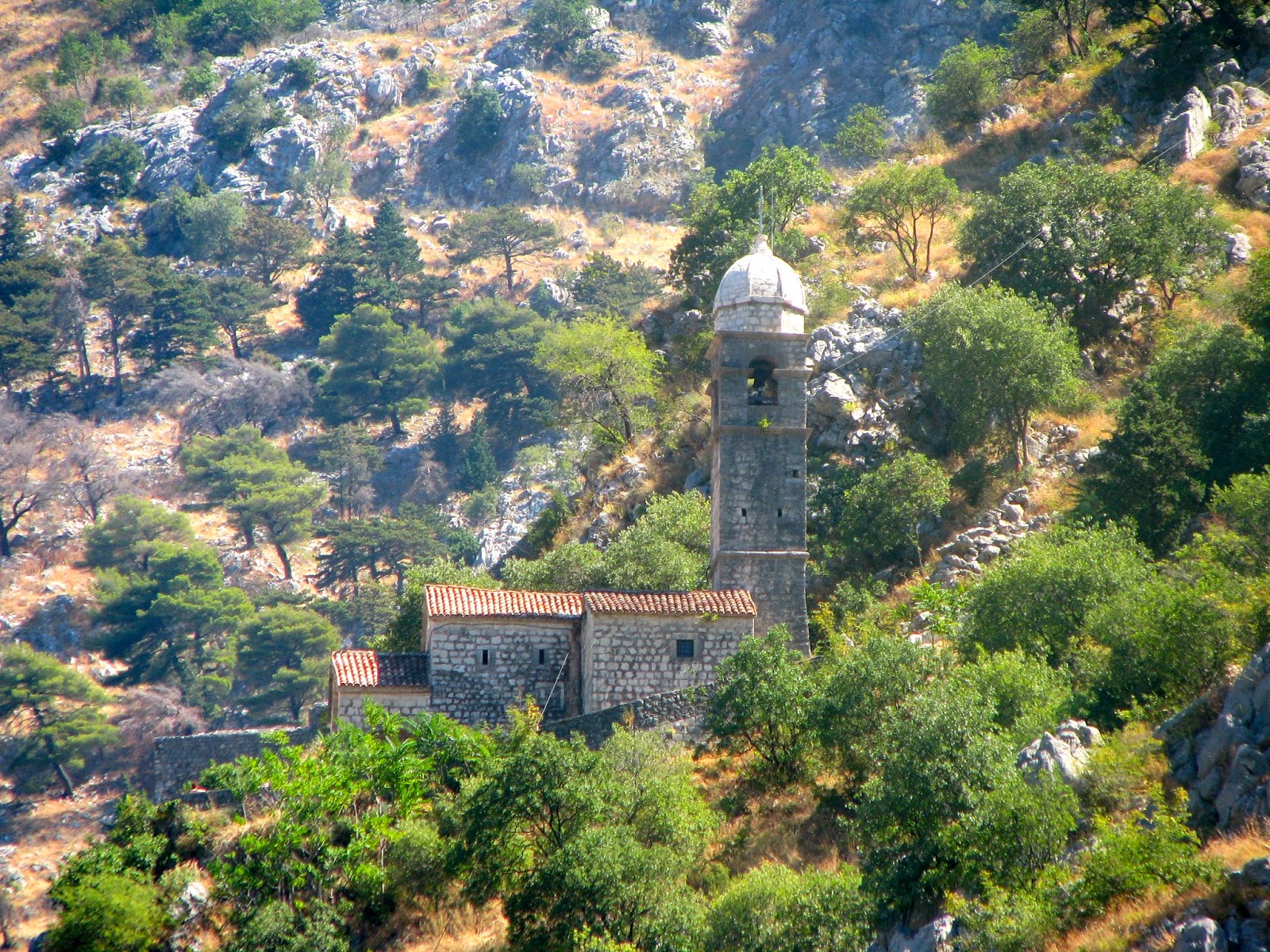
bay of kotor. [travels]
“traveling
is a brutality. it forces you to trust strangers and to lose sight of all that
familiar comfort of home and friends. you are constantly off balance. nothing
is yours except the essential things – air, sleep, dreams, the sea, the sky –
all things tending towards the eternal or what we imagine of it.”
cesare pavese


Saturday, March 15, 2014
belgrade. [travels]
“your
true traveler finds boredom rather agreeable than painful. it is the symbol of
his liberty - his excessive freedom. he accepts his boredom, when it comes, not
merely philosophically, but almost with pleasure.”
aldous huxley


Subscribe to:
Posts (Atom)